
solutions
p(AI) is policy intelligence
at the speed of AI
A generative, domain-specific, agentic AI platform that keeps policy reasoning and engagement centered as complexity expands.

The Power to Solve for Complexity
Pi — the ratio of a circle’s circumference to its diameter — is an elegant constant. Its infinite, irrational sequence reflects complexity and apparent randomness, yet emerges from simple underlying order. From data science and machine learning to DNA sequencing and protein folding, Pi underpins discovery and problem-solving across complex systems and real-world applications.

p(AI) is inspired by its mathematical analogue. As the data, stakeholders, and dynamics shaping public policy multiply, the decision field expands — but the relationship between context, judgment, and action must remain stable. p(AI) preserves that balance by structuring inputs, generating insight, testing alternatives, and surfacing trade-offs — enabling policy leaders to operate in complex environments with discipline, clarity, and confidence.
How p(AI) Works
p(AI) is a layered policy intelligence and engagement system designed to turn complexity into actionable insight. It grounds reasoning in domain-specific policy knowledge and verified data, structures analysis through policy-native workflows, and orchestrates multi-step reasoning within a governed, accountable environment.
At its core, p(AI) integrates configurable model backends with a curated policy knowledge base, retrieval-augmented generation (RAG), and real-world policy workflows. These capabilities are coordinated through agentic reasoning that supports iterative analysis, scenario testing, material generation, and execution — from research through stakeholder engagement.
A dedicated trust layer — spanning evaluation, guardrails, and governance — ensures outputs remain transparent, traceable, and appropriate for sensitive policy contexts. Model-agnostic by design, p(AI) can operate in private deployments or leverage frontier models where permitted, adapting to security and data sovereignty requirements across organizations and use cases.
The result is AI embedded across the full policy lifecycle — augmenting analysis, coordination, and engagement as issues and stakeholders evolve over time.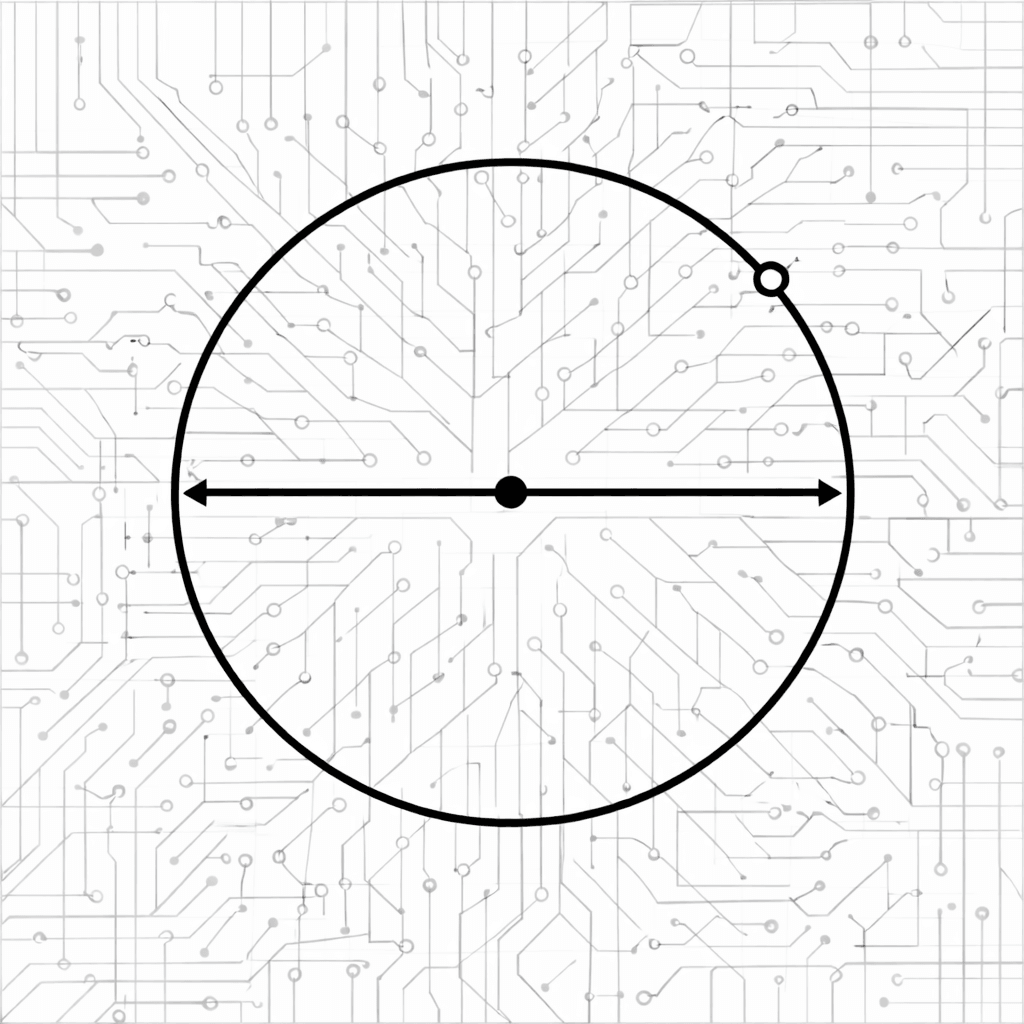
p(AI) Architecture at a Glance
p(AI) is an integrated, layered system designed for real-world policy work — where intelligence, engagement, and accountability must operate together. Together, these layers allow p(AI) to function not as a static tool, but as an always-on partner embedded across the full policy lifecycle — from foundational analysis to real-world engagement and action.
What p(AI) Enables
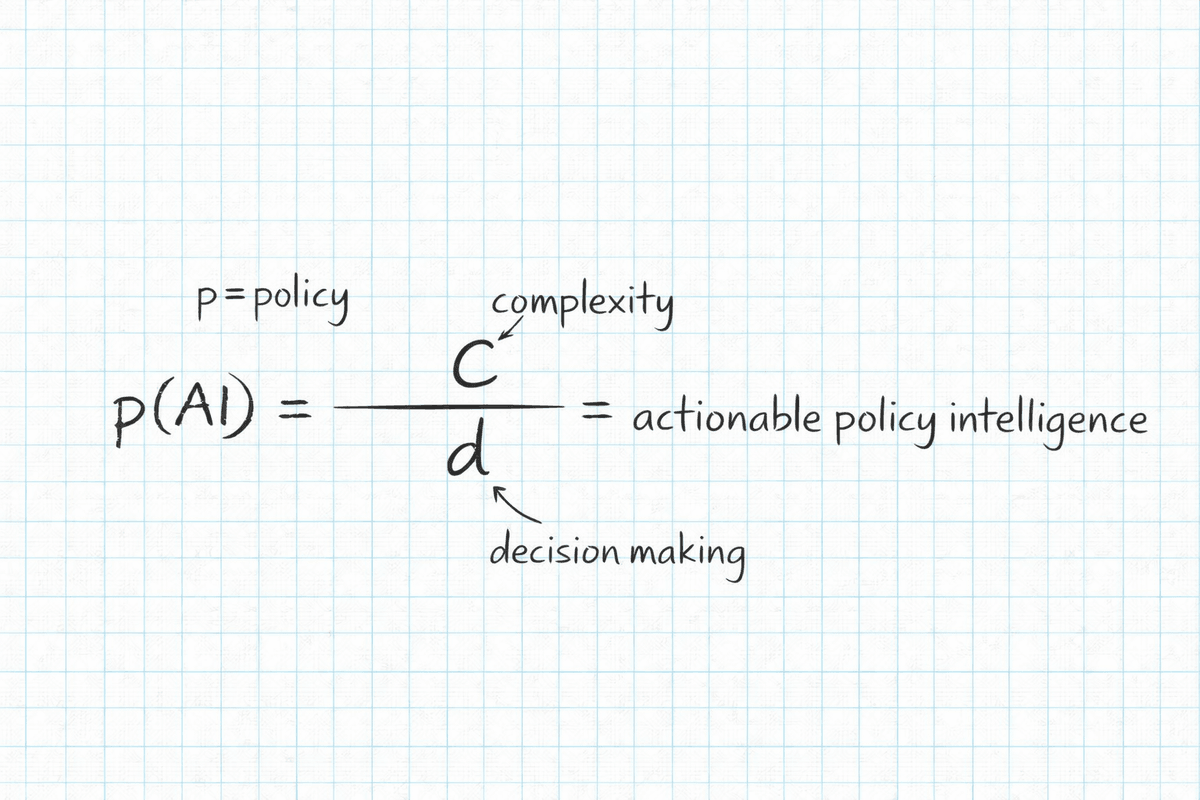
p(AI) goes beyond monitoring and summarization to actively support how policy positions are developed, tested, and communicated.
Through policy-native workflows, p(AI) enables teams to analyze impacts, explore scenarios, map stakeholder dynamics, assess legal and regulatory alignment, and generate advocacy-ready materials. By connecting public policy sources with organizational context, it informs strategic action — from internal alignment to external engagement.Rather than replacing human judgment, p(AI) augments it — helping policy professionals navigate complexity, move faster, engage more effectively, and act with confidence.
p(AI) enables advanced AI without compromising accountability. Strong data controls, secure deployment options, and digital sovereignty by design protect inputs and keep outputs traceable.
